
Your Hormones Tell a Story.
Learn to Read It.
Every TSH spike, every cortisol trough — mapped into a treatment arc you can actually follow. We translate your panel into plain language, then into a plan.
Free download — no credit card. Reviewed by board-certified endocrinologists.
What your bloodwork actually measures — and why ranges aren't one-size-fits-all.
A standard thyroid panel measures four separate signals. Each one tells a different part of the story. TSH is the pituitary's message to your thyroid — not a direct reading of thyroid function. Free T4 is what your thyroid actually produces. Free T3 is the active form your cells use. TPO antibodies reveal whether your immune system is involved.
Reference ranges are calculated from population averages — including people with undiagnosed thyroid disease. A result "within range" can still be symptomatic for you.
- Why TSH alone misses 30% of thyroid dysfunction
- How postpartum changes shift what "normal" means
- When to ask your doctor for the full panel
One-page PDF — what each marker means, what to ask, when to retest.
Lab Results
Thyroid Panel — Feb 2026
Slightly above range — often the first signal of subclinical hypothyroidism.
Within range but at the low end — context matters here, especially postpartum.
Conversion from T4 to T3 is the step many labs skip reporting.
Elevated antibodies suggest autoimmune activity — Hashimoto's is often missed for years.
Sample results for illustration. Your results may differ — that's the point.
TSH Trend
Aug 2025 – Apr 2026
Baseline — within range. Fatigue dismissed as lifestyle.
TSH rising. Free T4 dipping. Pattern emerging.
TPO antibodies: 148 IU/mL. Hashimoto's diagnosis confirmed.
Levothyroxine 25mcg. TSH responding. T4 recovering.
Optimal range. Symptoms resolved. Retest in 6 months.
One result is a data point. Three results are a pattern.
Hormone levels shift in response to seasons, stress, sleep, and the slow progression of underlying conditions. A single panel gives your doctor a snapshot. Sequential panels give them a film.
The cortisol story is similar — an AM cortisol reading tells you where you were at 8am. A four-point salivary test tells you whether your adrenals are blunted, spiking, or inverted. That distinction changes the treatment entirely.
Retest cadence
Every 6–8 weeks during titration
Pattern threshold
Trend matters more than one number
Cortisol timing
AM draw before 9am, fasted
TSH sensitivity
Small TSH shifts = large T4 impact
Includes a four-point cortisol reference chart and when to order which test.
Treatment isn't a prescription. It's a calibration.
Effective hormone therapy requires iterative adjustment — start low, recheck at the right interval, titrate toward symptom resolution rather than a target number. Most patients reach a stable dose within 6–12 months. Pediatric growth cases move on a different timeline entirely.
Lifestyle levers that move the needle:
200mcg/day may reduce TPO antibodies by 40–50%
Cortisol dysregulation worsens thyroid conversion overnight
Hashimoto's patients show improvement on gluten-free trial
Take levothyroxine 30–60 min before coffee or food
IGF-1 reference ranges by age, growth velocity benchmarks, when to refer.
Treatment Protocol — Hypothyroidism
Before treating, complete the picture. TSH, Free T4, Free T3, TPO antibodies, and reverse T3 if symptoms persist despite "normal" numbers.
Most adults start at 25–50mcg. The goal is a slow, steady rise toward symptom resolution — not just a number. Dose adjustments happen in 12.5–25mcg increments.
It takes 6 weeks for TSH to fully reflect a dose change. Retesting before that window gives a misleading read. Patience here is protocol, not delay.
Target TSH 1–2 mIU/L for most patients, though some feel better at 0.5–1. Free T3 conversion and lifestyle factors (sleep, selenium, stress) are adjusted here.
Thyroid function shifts with age, weight change, and pregnancy. Annual retesting catches drift before symptoms return. Pediatric patients retest more frequently.
Protocol shown is a general educational framework. Your endocrinologist will tailor timing and dosing to your specific panel, symptoms, and history.
Watch the Lab Walkthrough
A 12-minute video where our endocrinologist reads a real thyroid panel aloud — explaining every number, every flag, and what the next question should be. No form required.

No email required. Watch directly in your browser.
The moment it finally made sense.
From postpartum fog to a pediatric referral — real patients who came in with questions and left with a roadmap.
"I'd been told my TSH was 'borderline' for two years. The thyroid guide explained why that word is doing a lot of work — and what to ask for next. I finally got the full panel."

Meredith Callahan
Postpartum — 8 months
"The testosterone guide had the exact conversation I'd been rehearsing for months. I walked into my GP appointment knowing what 'total T' vs 'free T' meant. He ordered both."
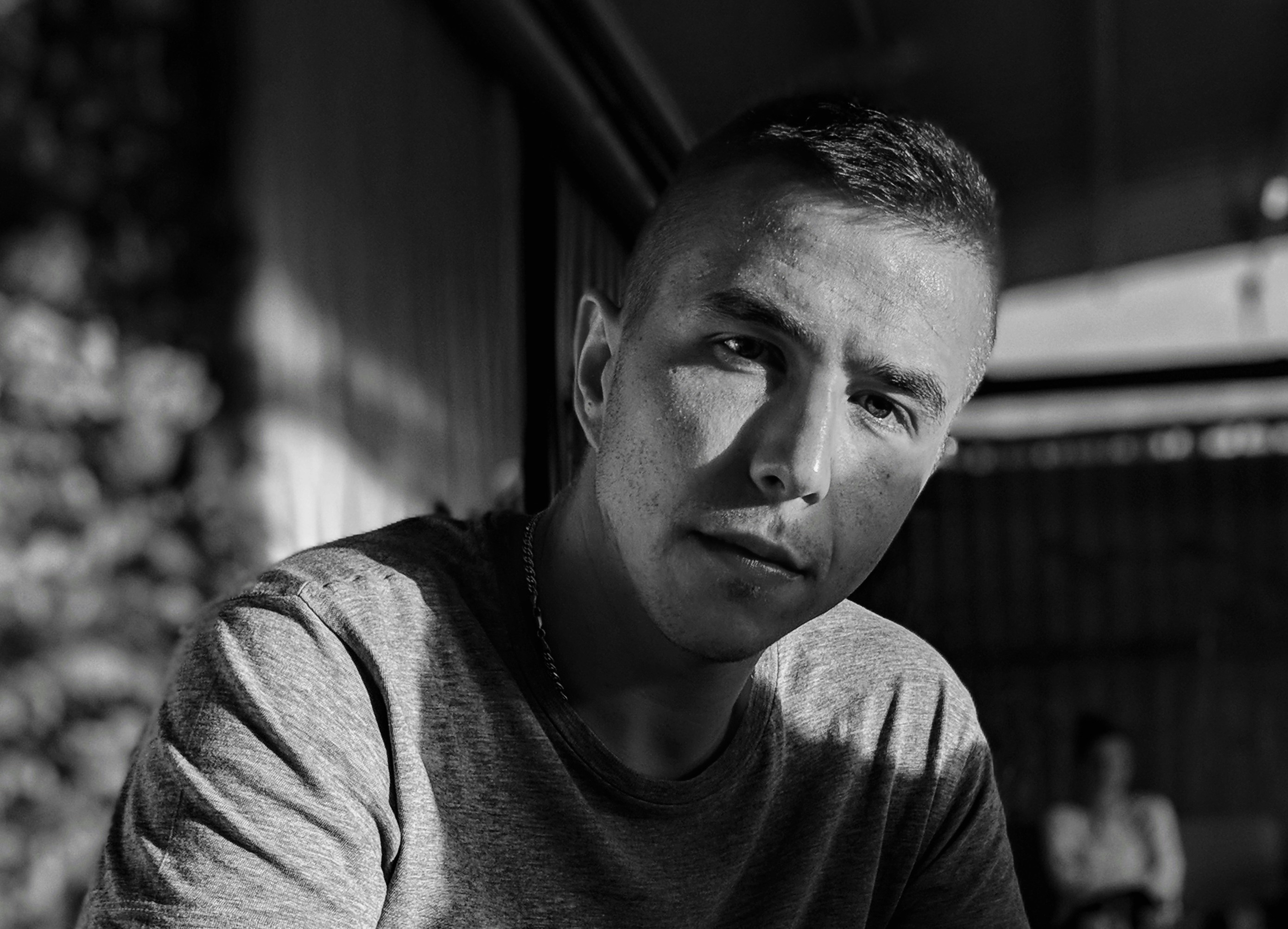
Daniel Osei
Men's hormones — age 44
"My daughter's growth chart flattened at 4. We spent 18 months in 'wait and see.' The pediatric guide gave us the IGF-1 question that finally got us a referral."

Priya Subramaniam
Parent — daughter, age 6
14,000+
Guides downloaded
89%
Reported better prepared for their next appointment
4.9/5
Average guide rating
3 min
Average time to understand your panel
Free — no credit card
Your panel is waiting to be read.
Let's translate it together.
Three guides — thyroid, cortisol, and pediatric growth — written for patients who are tired of leaving appointments with more questions than they walked in with.